


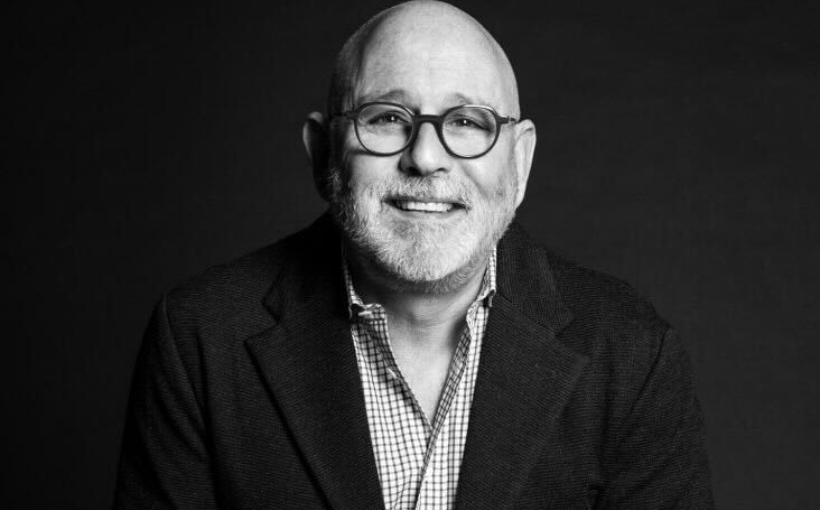

Yieldstreet’s CEO Caplan on Bringing Private Markets to Every 401(k)
As regulators move to expand access to alternative investments in 401(k) plans, the gates to private markets—once reserved for pensions, endowments, and sovereign wealth funds—are beginning to open. Yieldstreet is positioning itself squarely in the middle of this shift. The firm recently raised $77 million, secured broker-dealer status, and launched Yieldstreet 360, an automated investing solution designed to make private markets easier to access.
This fall, Yieldstreet will debut a new suite of evergreen funds that provide curated exposure to private credit, real estate, and private equity—complete with liquidity features, real-time performance updates, and low minimums.
For Mitch Caplan, CEO and chairman of Yieldstreet—and former CEO of E*Trade—the vision is to make private investing as seamless as buying an ETF, while emphasizing education and transparency as adoption accelerates. Caplan discusses how technology, regulation, and investor awareness are converging to bring private markets into the mainstream, potentially transforming the future of retirement savings.
CM: Regulators recently directed that 401(k) plans can expand access to alternatives under certain conditions. Do you believe we’re at a tipping point where private market products will be mainstream for retirement savers?
MC: I think we’re at the tipping point, but mainstream adoption will unfold gradually. There is roughly $8.7 trillion sitting in 401(k) assets today with virtually no exposure to private markets. Meanwhile, institutions typically allocate 20% to 30%. Even getting halfway there would mean hundreds of billions flowing into this space.
The biggest hurdle is technology. Most providers aren’t yet equipped to deliver private markets in the seamless, transparent experience retirement savers have come to expect. Once that barrier comes down, momentum will build quickly.
CM: The perception has always been that alternatives are complex and reserved for institutions. How do you convince both regulators and investors that retail access can be both safe and value-enhancing?
MC: Education is critical, but it’s more about demystifying private investments than teaching complex strategies. With regulators, I’d point to Australia. Their retirement system has included private market allocations for decades and delivered strong returns.
For investors, the goal is clarity. We can show parallels to public markets while being upfront about the differences, especially around liquidity. When people understand both the benefits and trade-offs, they can make confident, informed decisions that fit their goals.
CM: Having seen how quickly technology can transform markets, what excites you most about this moment for private investing?
MC: The chance to help people rethink value in their portfolios. Private markets can provide steady income, lower correlation to stock market swings, and real diversification. For a long time, those benefits were only accessible to institutions. What excites me is that the technology and product set now exist to finally deliver that promise to individuals.
CM: Beyond technology and product innovation, what partnerships or ecosystem plays do you see as key to raising awareness and engaging a new generation of investors?
MC: There is a whole content industry built around public markets — financial media, newsletters, podcasts, and creators. That same ecosystem does not yet exist for private markets. Building it represents a tremendous opportunity. Raising awareness, filling the knowledge gap, and meeting people where they are will be just as important as product innovation.
CM: Yieldstreet is introducing evergreen funds with liquidity, real-time performance, and low minimums. How do these innovations mirror what ETFs and online brokerage did for public markets two decades ago?
MC: Passive investing was a revolution for public markets. Evergreen funds are attempting something similar in private markets. Instead of locking up capital for 10 years, investors have liquidity windows. Instead of needing $5 million to participate, the minimum is closer to $10,000. Instead of waiting months for a valuation, they get more frequent pricing updates. These features matter because they solve the practical barriers that have kept individuals out of private markets for so long.
CM: If we revisit this conversation in five years, how will Yieldstreet—and the private investing landscape—look different for individual investors?
MC: Five years from now, the lines between public and private markets will blur, and the term “alternatives” may even disappear. These will simply be investment options, evaluated on their merits. The true measure of success will be whether individual investors can access the same diversification and return potential that institutions have enjoyed for decades. That shift would be transformational for retail outcomes.