



When Headlines Move Markets, Can AI Tell the Difference Between Hype and Value?
President Trump’s meeting with crypto and technology leaders at the White House last week sent an immediate jolt through markets, with Bitcoin jumping roughly 6% and Coinbase shares surging 13%, alongside double-digit gains across other crypto-related stocks, all ahead of a single afternoon’s headlines.
For investors, moments like this raise a familiar but increasingly urgent question: how do you separate genuine investment opportunity from short-term momentum and media-driven hype? That question is taking on new weight as more investors turn to AI for financial guidance.
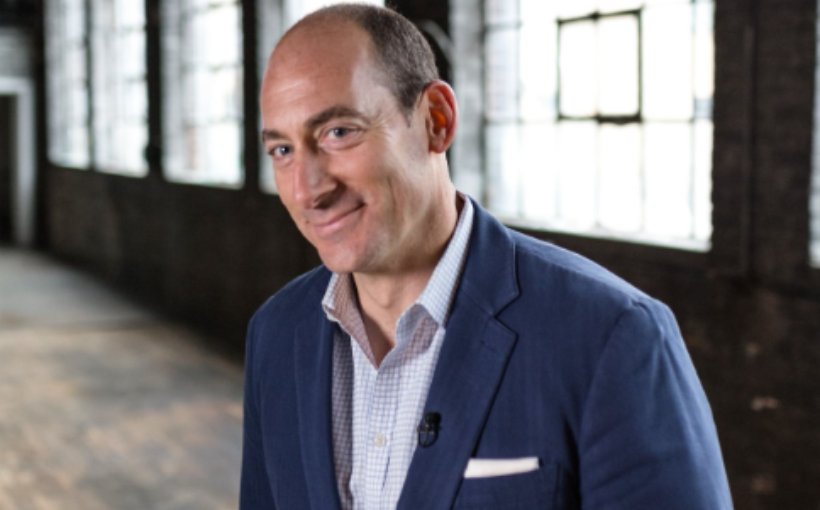
David Trainer, a former Wall Street analyst and founder and CEO of investment research firm New Constructs, has spent his career studying the gap between what moves stock prices in the short term and what drives long-term value. Trainer discusses how investors can navigate breaking news, and why leaning on AI for investment picks may come with its own hidden risks.
CM: What’s the practical difference between a market-moving headline and a genuine, fundamental change in an investment’s underlying value?
DT: One is based on narrative, one is based on fundamental evidence. Though, if the headline is about a significant change in fundamentals of the business, then there might be no difference.
CM: What questions should investors ask themselves in the moment when they feel the pull to chase a surging stock?
DT: Am I acting rationally or emotionally. What empirical evidence do have to support my decision? Am I being a speculator or an investor?
CM: Can AI models distinguish between a market-moving headline and a fundamental change in an investment’s value, or are they primarily reacting to sentiment and attention?
DT: No. At this point, AI models tend only to capture the prevailing sentiment on stocks. They are not able to perform reliable fundamental analysis.
CM: You’ve said “popular is not always good” — how does that dynamic get amplified when AI is doing the recommending rather than a human analyst?
DT: Since AI’s capture and reflect what is popular, the more people rely on AI for answers the more the popular stocks get attention – which creates a feedback loop that could lead to significant concentration of value in stocks only because they are popular and not bc their fundamentals warrant the value.
CM: As AI becomes more embedded in how everyday investors research and make decisions, what long-term risks do you see building in the market?
DT: Per prior question, the more Ai amplifies popularity, the more concentrated stock market wealth will tend to be in a few stocks, a situation that makes the market increasingly risky and prone to big meltdowns should any of those few stocks into which the market is concentrated have a breakdown.
CM: What would meaningfully improve AI’s ability to give sound, fundamentals-based investment guidance, if anything?
DT: The best way to improve AI for any purpose, but especially investing, is to endow it with better data. AI models, like any other model, are only as good as their input. Garbage in, garbage out. AI’s built on data and ontologies vetted by true subject matter experts are in a position to deliver expert insights and research. AIs based on anything less are not.