


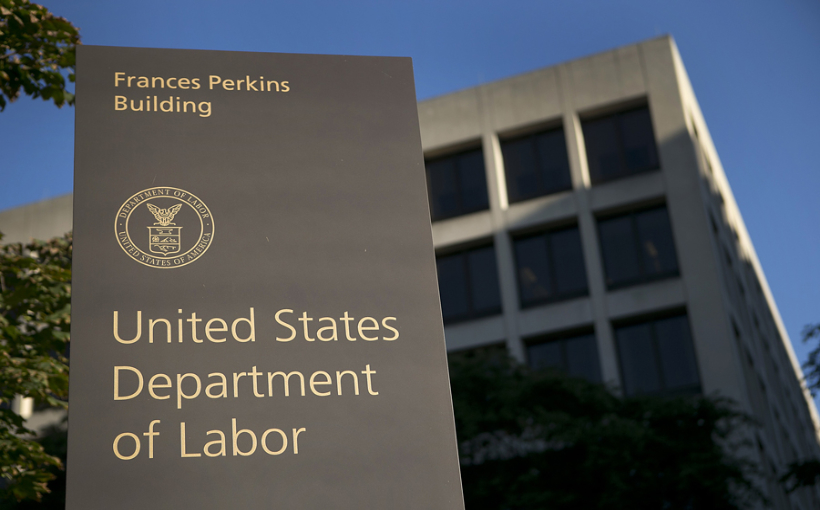

DOL Proposes New Advisor Fiduciary Rule
The U.S. Department of Labor (DOL) released a proposal on Tuesday that will redefine when retirement advice invokes fiduciary status under the Employee Retirement Income Security Act of 1974.
As part of the Biden administration’s efforts to protect retirement investors, the proposal would require advisors to follow high standards of care and loyalty when they make investment suggestions. They would also have to avoid suggestions that benefit their own financial and other interests at the expense of retirement savers.
The proposal would replace the traditional five-part test for assessing whether an advisor is operating in a fiduciary capacity with a three-part test in which satisfying any one of the three elements would qualify the advisor as a fiduciary.
If approved, the proposal will effectively create a more stringent regulatory environment for financial professionals who advise or sell investment products connected to retirement savings.
As stated in the proposal, advisors would be subject to the standards established by the Securities and Exchange Commission in its Regulation Best Interest (Reg BI) rule. The rule requires advisors to disclose any conflicts of interest and to make financial recommendations with reasonable research and care.
Under ERISA, one-time advice, such as guidance to rollover assets from a 401(k) plan into an IRA or annuity, is not currently required to be in the best interests of the saver. “The proposed rule will close this loophole to ensure this advice is in the saver’s best interest,” the DOL said.
The plan also deems an investment advisor a fiduciary if the provider offers investment recommendations to investors on a “regular basis” as part of their business and in scenarios in which the suggestion is based on the special needs or individual circumstances of the investor.
“America’s workers and their families should not have excess fees and lost investment returns chipping away at their retirement savings due to the cost of conflicted investment advice,” said acting Labor Secretary Julie Su.
A 60-day public comment period will follow the proposal’s publication, with the DOL scheduled to hold a public hearing around 45 days later.