



Lessons From the Jimmy Buffett Estate Fight: Why Good Planning Isn’t Always Enough
Many people assume that carefully managing their retirement accounts, investments and savings means their families will be well prepared when the time comes. But even diligent savers can leave behind a confusing mix of assets, beneficiary designations, real estate and legal documents that don’t work together the way they expected.
That challenge is playing out publicly in the estate of Jimmy Buffett. Three years after the singer’s death, his widow and his longtime financial adviser are locked in a legal battle over a $275 million marital trust, each seeking to have the other removed as co-trustee. The dispute shows that even a carefully constructed plan can lead to conflict when roles, expectations and family dynamics aren’t as simple as they appear on paper.
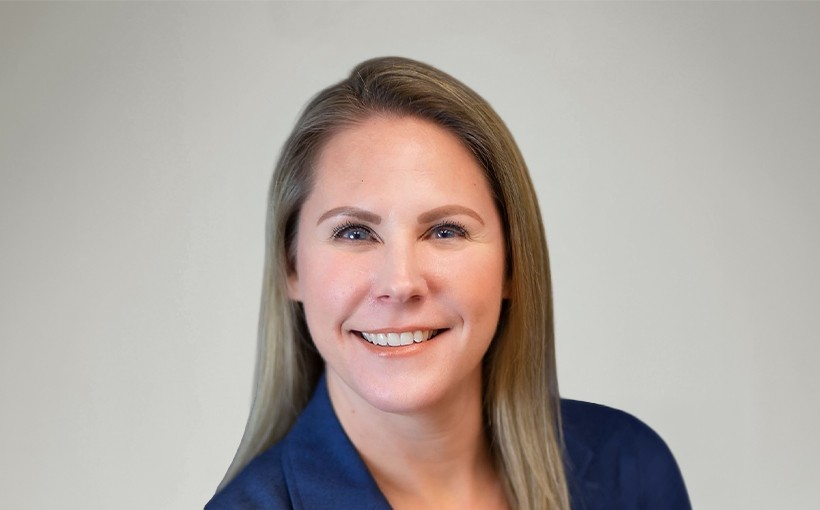
Kathleen Pence, founder of Tulsa-based Pence Law Firm, P.C., has spent decades helping families with estate planning, probate, adult guardianships and related litigation. She discusses the mistakes attorneys often see only when it’s too late, why estate planning matters for far more than the wealthy, and the practical steps families can take now to avoid confusion and conflict later.
CM: What is the biggest misconception people have about estate planning, particularly when they believe their finances are already well organized?
KP: That well-organized finances can replace an estate plan. An effective estate plan provides for the distribution of all of a person’s assets, not just financial assets. These assets can include things like personal property, vehicles, and houses.
Often, people see estate planning as this huge, daunting task and don’t know where to start. That is where an experience estate planning attorney can help. The attorney can walk them through what they need to consider, provide possible distribution arrangements, and help them develop a plan that works for them and their family.
CM: What broad lessons can families learn from the Buffett trust dispute about selecting trustees and setting expectations?
KP: Families need to have frank conversations about who will inherit and by what method. In other words, what will this actually look like when a person passes away. Most family disputes are the result of unrealistic and/or unmet expectations. Also, trustees can only do what the trust document tells them to do. So, you need to choose a trustee that will follow those instructions exactly.
Families also need to draft trusts that can be administered in a way that does not inherently create a conflict between beneficiaries the way the Buffett trust does. The Buffett trustee has a fiduciary duty to both the surviving spouse and the children. In this instance, he is at risk of breaching his duty no matter what he does.
CM: Which planning mistakes do you encounter most often after a death or incapacity, when the opportunity to correct them has passed?
KP: It is a common occurrence for a client to reach out to me when their parent has lost capacity. They want to help mom or dad and ask about executing a power of attorney. Unfortunately, once they have lost capacity, we can longer create a power of attorney for them.
When I meet with estate planning clients, they will often mention needing a will, trust, or both. But they rarely include a power of attorney as an estate planning document that they need. If my client does not have a power of attorney for finances and/or healthcare in place, we make sure to include it in their estate plan.
Another common issue is failing to put all the estate’s assets in a trust prior to death. When this happens, we have to open a probate – even when we have a Will. Contrary to common beliefs, Wills do not avoid the probate process.
CM: How would you walk someone through your “24-hour estate planning stress test,” and what information should their family be able to locate immediately?
KP: I would ask them what estate planning documents their family has in place. This includes Powers of Attorney, Advance Directives (otherwise known as living wills), a Last Will and Testament, and the Trust. If they don’t know, then they need to obtain this information from their family member today. If they do know what estate planning documents are in place, do they know where they are stored? If it is in the family’s safe, do they have the combination? Can they open the safe? In the instance that the documents are in a safe deposit box, can someone other than the family member access the box? And when was the last time the box was opened? There are many times families believe the documents are stored in a particular location only to find that they are not there.
CM: In your experience, what is the single most common document or piece of information missing when families are forced to step in?”
KP: Powers of attorney for finances. Many people have a power of attorney in place for medical care, which is great. However, families also need someone in place who can help pay bills or assist with managing the finances. It is important to examine the powers of attorney in place to see if it covers both medical care and financial management.
CM: If someone has never done any estate planning, where should they start?
KP: First, they need to make a list of all of their assets, including bank accounts, investment accounts, real estate, vehicles, and/or collectible items. Then, they need to think about their family and whether they want a particular item to go to a particular family member. We call these specific bequests. Once those lined out, they need to think about what happens with everything else. WIll it be sold and the proceeds divided among the beneficiaries? Will specific items be donated to charity? Or do they want to make a financial contribution to the charity of their choice?
CM: Can AI help consumers begin organizing estate-planning information, and where does it have limitations?
KP: AI can define some estate planning terms for you and provide additional considerations. However, AI cannot fully analyze your assets, families, or your needs. AI only processes the information that one provides in the search function. There is no substitute for an experienced attorney who knows the right questions to ask, what information is important, and what can go wrong based on real-life experience.