


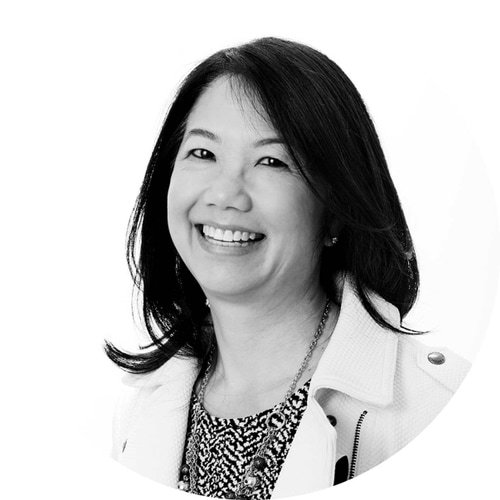

Ellevest’s Sylvia Kwan on Education, the Great Wealth Transfer for Alts
Investors can incorporate alternative asset classes into a variety of investment strategies, methods, and risk profiles. This enables them to establish a portfolio that conforms to their unique investment needs, regardless of whether they are trying to diversify from traditional listed equities and bonds or pursuing additional sources of returns.
Sylvia S. Kwan, CIO at Ellevest, an investing, financial planning, and wealth management platform and financial literacy program primarily for women, and a Director on the Board of Directors at ADISA addressed the high priority of advisor education, goals-based investing in alternative assets, and the Great Wealth Transfer, among other topics.
CM: The data clearly show that the appetite for alternative investments is rising. What do you identify as the main drivers of this increase?
SK: There are many drivers for the popularity of alternative investments. Here are a few of the main ones: demand from investors for portfolio solutions beyond the traditional 60/40 (stemming from higher correlations in public markets); advances in technology that have opened access to alternatives for accredited investors and below increase in fund structures that are more friendly to non-institutional investors; and a shrinking number of public companies traded on global exchanges (shrinking universe of publicly traded stocks).
CM: We often hear that investor education is a top priority when investing in alternative assets. Do you agree, and how does that impact your work?
SK: Investor education is important when investing in alternative assets. However, I think a higher priority is advisor education. Investors look to their advisors for advice and information, and when investors ask about alternative assets, advisors need to be well-informed and well-equipped to talk about alternatives not only as an asset class (and its many sub asset classes) but they need to have the knowledge and tools to determine if and what alternatives (and in what fund structure) are suitable for what clients, and how to integrate alternatives into a portfolio.
CM: Where should investors start when considering alternative assets?
SK: Investors (and advisors) should always start at their goals. What’s the goal or purpose for adding alternatives to your portfolio? Once you know your goals(s) (e.g. diversify stocks/bonds, growth, income, inflation protection, etc.), you can then focus your efforts on the kinds of alternatives that will help you achieve your goals.
CM: What emerging trends do you anticipate the industry will see more of in the short-term and long-term?
SK: The Great Wealth Transfer (GWT) has begun, and the beneficiaries of that transfer (primarily women and millennials) have embraced alternatives at a much higher rate than previous generations. So, the appetite for alternatives will continue. The emerging trend we see is the growing demand (by GWT beneficiaries) for impact alternatives, those that generate both competitive returns and positive social and/or environmental impact.