



DOL’s Fiduciary Rule Slammed with 1st Lawsuit
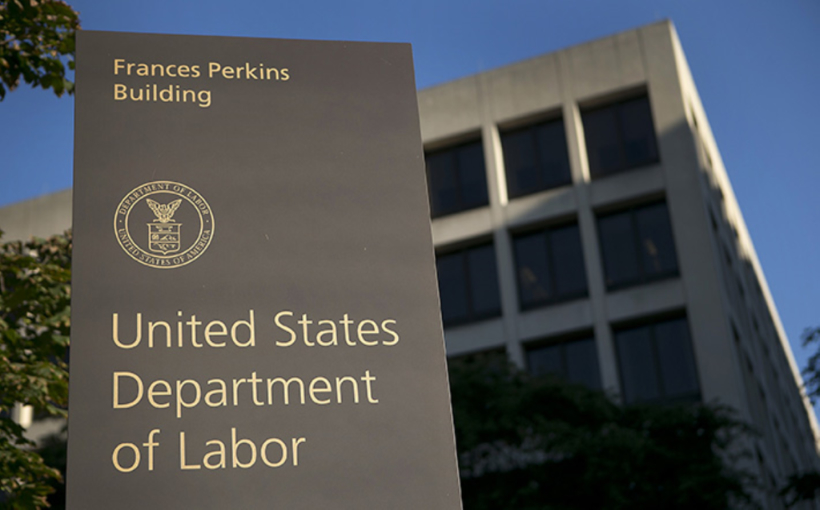
The Department of Labor is facing its first court challenge to the final Retirement Security Rule, or fiduciary rule, brought by the lobbying group The Federation of Americans for Consumer Choice (FACC).
The rule, released on April 25, broadens the definition of fiduciary to include financial professionals who advise on rollovers to IRAs and annuity sales, among other one-time recommendations, modifies certain prohibited transaction exclusions, and increases disclosure requirements.
The FACC and other plaintiffs, including insurance-related businesses ProVision Brokerage and TX Titan Group, argue in a lawsuit filed last Thursday that the DOL “has exceeded its authority and acted arbitrarily and capriciously.”
The plaintiffs further argued that the DOL’s new rule wants to “fundamentally reshape” 50 years of settled practices in the insurance industry.
The lawsuit, which names the DOL and Acting Labor Secretary Julie Su as defendants, asks the court to overturn the rule, citing how the Fifth Circuit overturned the Obama-era 2016 fiduciary rule.
The Securities Industry and Financial Markets Association, the Insured Retirement Institute, and the National Association of Insurance and Financial Advisors, as well as dozens of lawmakers from both parties, urged the DOL to withdraw the rule entirely, prior to its release, citing concerns that it would limit access to retirement advice.
Some industry executives have been critical of the rule while others have praised it.
Investment Company Institute (ICI) president and CEO, Eric Pan, said, “ICI is reviewing the DOL’s final rule, bearing in mind the concerns we raised with the agency that it may raise costs and interfere with middle-class savers’ access to the guidance, products, and innovative tools they rely on to meet their retirement goals.”
Meanwhile, DPL Financial Partners, a platform for commission-free annuities, praised the final rule. “The rule adds a critical layer of definition and transparency, which will provide retirement investors with assurance they are receiving advice in their best interest and an understanding of how the person making a retirement investment recommendation is being compensated,” said CEO David Lau.
Pending any other legal challenges, the DOL’s final rule will become effective September 23, 2024.


