



Energy Infrastructure: Timing Is Right
If market uncertainty was the theme in 2023, investors are likely feeling more optimistic as the year begins, with global inflation falling and lower monetary policy rates projected in 2024, suggesting a shift in the economic landscape and a potential further improvement in investor sentiment. This is particularly true in the energy infrastructure sector.
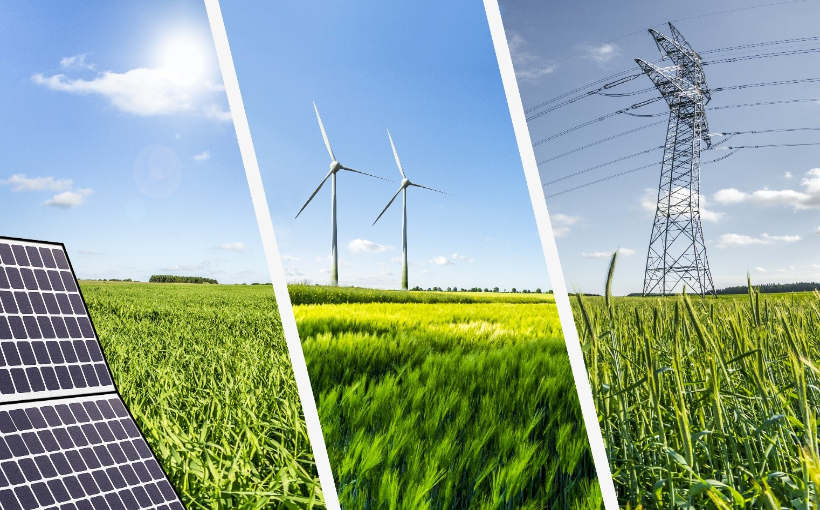
As the world undergoes an energy transition and places greater emphasis on sustainability, investments in renewable energy infrastructure, electric grids, and other green projects become particularly relevant.
The infrastructure growth driven by the energy transition, particularly through the build-out of connecting renewable energy facilities, has seen valuations trading at historic levels over the past 12 months.
This pricing pressure of 2023 – limited price discovery amid wide bid-ask spreads – has generated an “appealing 2024 vintage”, especially since the current interest rate tightening cycle has ended, noted J.P. Morgan’s Anton Pil in the firm’s 2024 Alternatives Outlook.
Pil, whi is global head of J.P. Morgan’s $213 billion global alternatives platform, outlined diversification opportunities in core infrastructure investments. “These assets have historically helped investors diversify traditional portfolios by pursuing investment returns largely independent from publicly traded equity and bond markets, potentially helping to diversify portfolio correlations, lower overall volatility, expand investment income sources, mitigate inflation risk and enhance both absolute and risk-adjusted performance.”
Infrastructure spending, particularly in energy transition, is expected to remain an attractive investment opportunity. Capital expenditure in the various segments was $1.4 trillion in 2022 and is expected to triple to $4.5 trillion per year by 2030, according to HarbourVest Partners, citing World Economic Forum data. Over 50% of this funding is projected to come from the private sector.
“A growing emphasis on energy security is adding to the motivation to move away from fossil fuels. As a result, policymaking offers a significant boost to energy transition investments,” stated private equity firm HarbourVest Partners in its private markets 2024 outlook: Finding value amidst volatility.
The Inflation Reduction Act has resulted in more than $270 billion in announced capital spending, according to the American Clean Power Association, while the European Commission has set aside €800 billion for clean energy infrastructure under its RePowerEU initiative.
According to J.P. Morgan, the investment pipeline contains more than simply cash on the sideline. The emphasis is on investments in platform firms driven by the required investment for the energy transition, closed-end funds looking for exit possibilities, and corporations seeking extra cash outside of the public markets. Regulated utilities and power generation are among the segments targeted.
Unlisted, closed-end infrastructure funds raised over $83 billion in 2023, with energy-transition-focused vehicles accounting for roughly $23 billion, or approximately 28%. That amount was raised over more than 20 funds, bringing the total number of vehicles closed last year to 68, according to PEI data.
In 2024, the fundraising climate is improving, noted the J.P. Morgan team. As opportunities in the asset class become more prevalent, the dispersion of manager performance is expected to grow, which should ultimately boost liquidity.
HarbourVest echoed that optimism. “While these are multi-year, and in many cases, multi-decade, opportunities, we expect 2024 to see a significant step-up in investment in energy transition-related opportunities as policies set over the past few years have increased visibility and financing around priority areas for investment. As such, we anticipate strong deployment potential across primary fund commitments, co-investments, and secondary transactions.”
It appears the timing is right for infrastructure investments.